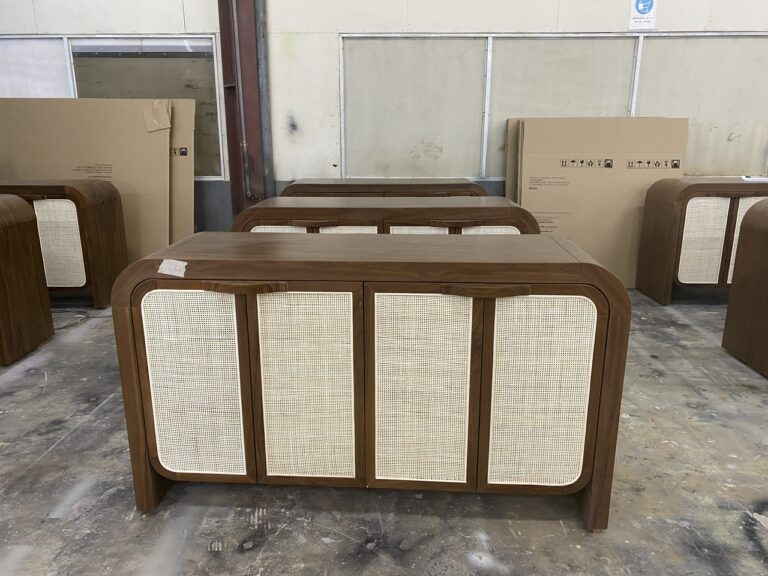


Importing wooden furniture from Vietnam? Learn the essential U.S. compliance requirements, documents, and practical tips to avoid customs delays and keep your projects on schedule.
Importing Wooden Furniture to the U.S.: A Practical Compliance Checklist for Importers (2026 Update)
Most buyers sourcing wooden furniture from Vietnam focus on three things: quality, price, and lead time.
Those are certainly important, but after supporting export projects to the United States for many years, we’ve learned that successful shipments often depend on something much less visible: preparing the right compliance documents before production even begins.
In many cases, a shipment isn’t delayed because of a manufacturing issue. It’s delayed because someone requests a document that nobody thought to prepare.
Sometimes it’s a declaration for composite wood panels. Sometimes it’s a laboratory report for a surface coating. Sometimes it’s simply the scientific name of the wood species.
None of these documents are particularly difficult to obtain when they’re discussed early. They become difficult only when they’re requested after production has finished or after the shipment has already left Vietnam.
Over the past year, we’ve also seen U.S. importers, customs brokers, and express couriers paying closer attention to supporting documentation during customs clearance. While many compliance requirements themselves are not new, importers are increasingly expected to provide clear documentation demonstrating that the products meet applicable U.S. regulations.
The purpose of this guide is not to explain every law in detail. Instead, it’s designed as a practical checklist based on the questions we receive most often from U.S. buyers and the documentation we recommend preparing before your furniture ships.

Start With the Product, Not the Paperwork
One of the biggest misconceptions about compliance is that it’s something you deal with after production.
In reality, compliance begins when the product is designed.
Before asking what certificates are required, ask a simpler question:
What exactly is this product made of?
A solid oak dining table and a painted MDF nightstand may both be classified as wooden furniture, but they involve different materials, different manufacturing processes, and potentially different supporting documents.
Before placing an order, create a simple material list that answers questions such as:
- Is the product made from solid wood, plywood, MDF, HDF, or particle board?
- Is the surface painted, stained, lacquered, or powder coated?
- Does the product contain glass, metal, upholstery, or electrical components?
- Is the furniture intended for residential or commercial use?
- Is it designed for children or for general consumer use?
These answers determine which compliance requirements may apply later.
Practical Advice
Don’t wait until your freight forwarder asks for documents.
During supplier selection, ask the factory to confirm the construction materials used in the product. A clear bill of materials often answers compliance questions before they become problems.
Lead in Surface Coatings: One of the Most Frequently Requested Test Reports
One question we’ve been hearing more frequently from U.S. buyers is:
“Can you provide a laboratory report showing the paint or surface coating complies with U.S. lead limits?”
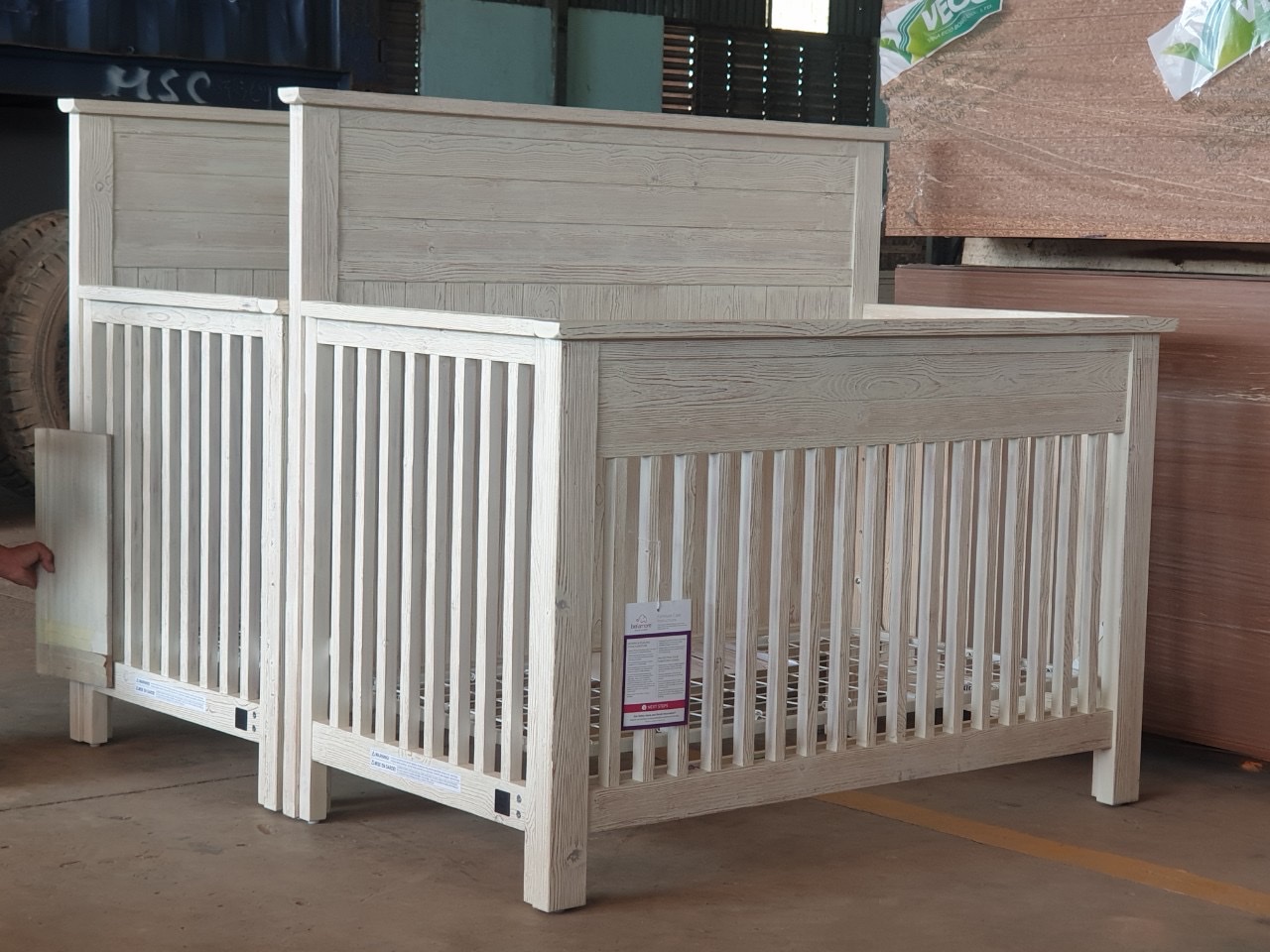
For furniture with painted or coated surfaces, U.S. regulations limit lead in surface coatings to 90 parts per million (ppm). Although this requirement has been in place for many years, supporting documentation is being requested more consistently by importers, customs brokers, and some express couriers during customs clearance.
An important point that many buyers overlook is that the question is rarely whether the coating complies.
The real question is whether the supplier can demonstrate compliance when documentation is requested.
Many Vietnamese furniture manufacturers already have laboratory reports because they supply customers in North America, Europe, or Australia. However, buyers often don’t ask whether those reports exist until the shipment is ready.
By then, arranging a new laboratory test may add one or two weeks to the project schedule.
What We See in Real Projects
In many cases, the coating itself isn’t the issue.
The delay comes from waiting for a laboratory appointment, preparing samples, and issuing the final report after production has already finished.
Practical Advice
Before production begins, ask your supplier:
- Do you already have a recent laboratory report for this coating?
- Is the report issued by a recognized laboratory?
- Will the same coating supplier and coating system be used for production?
- If testing is required, can it be completed before the shipment is booked?
A short conversation at the beginning of the project can prevent weeks of unnecessary delay later.
Composite Wood Products: Don’t Wait Until Someone Asks About TSCA
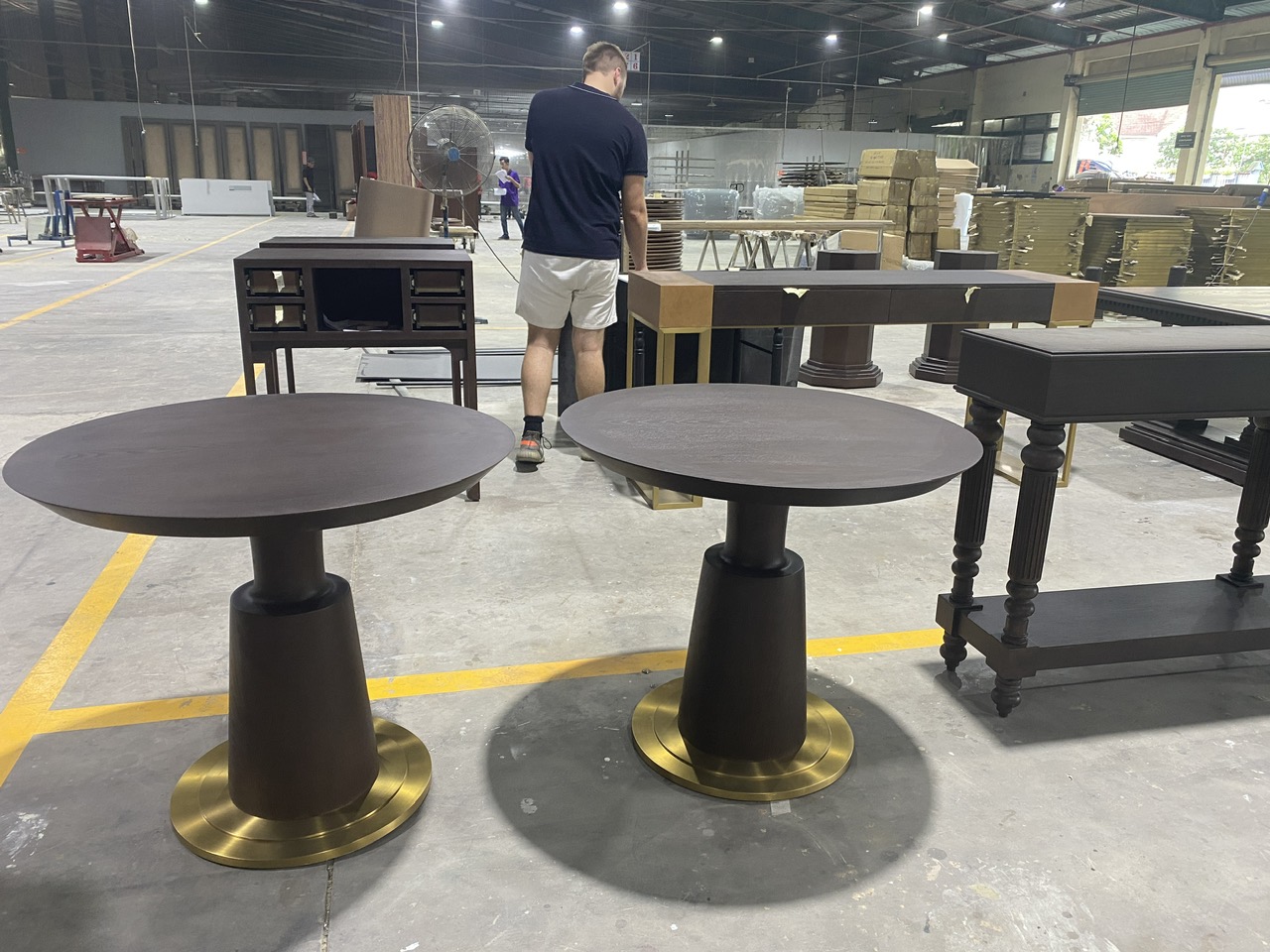
Not every piece of wooden furniture is made from solid wood. In fact, many commercial furniture projects include materials such as MDF, plywood, HDF, or particleboard because they offer better consistency, lower cost, or greater design flexibility.
If your product contains any of these composite wood panels, there’s a good chance your U.S. importer will ask whether they comply with TSCA Title VI.
Many buyers assume this is simply another certificate to collect before shipping. In reality, it starts much earlier.
TSCA Title VI regulates formaldehyde emissions from composite wood products. If the panels used in your furniture don’t come from compliant manufacturers, obtaining the necessary documentation later can become difficult, especially after production has already started.
Fortunately, most export-oriented panel manufacturers in Vietnam already purchase compliant boards or work with suppliers that can provide the required documentation. The important part is confirming this before placing the order, not after the container has been booked.
What We See in Real Projects
One common mistake is assuming that every MDF or plywood supplier automatically meets U.S. requirements.
Sometimes they do.
Sometimes they don’t.
Sometimes the material complies, but nobody knows where the supporting documents are.
Those are three very different situations.
Practical Advice
Before confirming your order, ask your supplier:
- Which panel manufacturer will be used?
- Is the material TSCA Title VI compliant?
- Can supporting documentation be provided if requested?
- Will the same material be used throughout production?
A five-minute conversation before production can eliminate days of document chasing later.
Know Your Wood Species Before Customs Asks
Another document that surprises first-time importers isn’t a laboratory report.
It’s simply information about the wood itself.
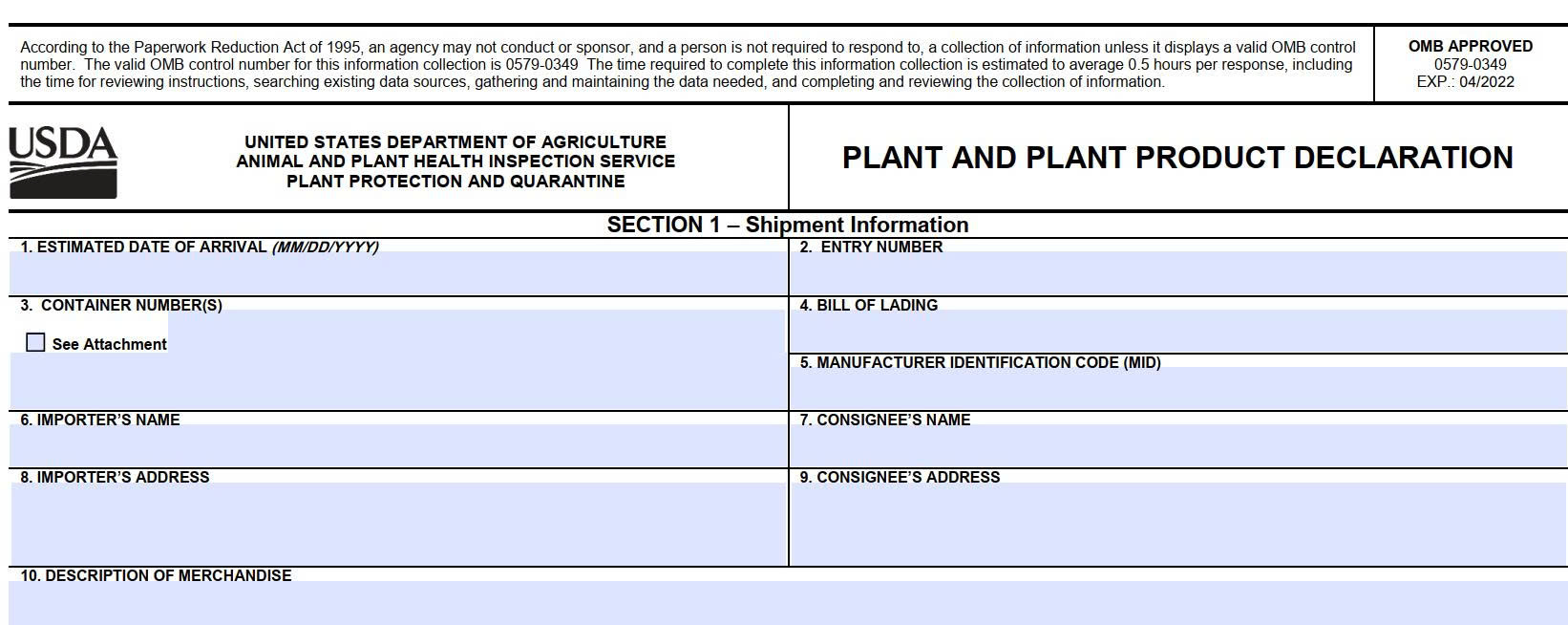
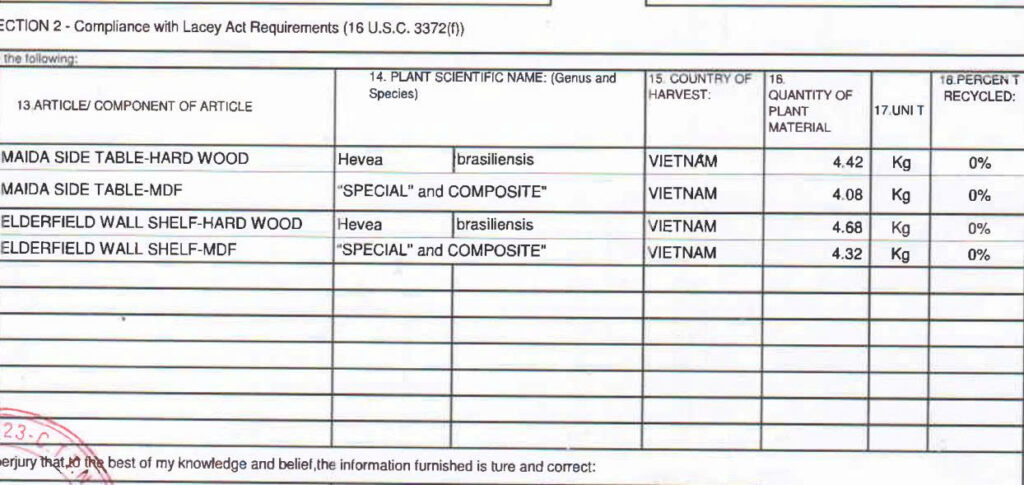
For many wooden furniture shipments entering the United States, importers need to declare the wood species used in the product under applicable import requirements, including the Lacey Act where relevant.
The information itself isn’t complicated.
The challenge is that many suppliers don’t record it until someone asks.
Imagine receiving an email from your customs broker asking for:
- Botanical name
- Common name
- Country of harvest
If production finished two months ago and the purchasing manager who selected the timber has already moved on to another project, collecting that information suddenly becomes much more difficult than it should be.
What We See in Real Projects
We often see factories describing materials as:
- Oak
- Walnut
- Ash
From a manufacturing perspective, that’s perfectly normal.
From a customs perspective, it may not be enough.
Import documentation often requires the botanical name rather than only the commercial name.
Practical Advice
Ask your supplier to prepare a simple wood species declaration before production begins.
It should include:
- Common name
- Botanical (scientific) name
- Country of harvest where applicable
Preparing this information early costs almost nothing but can save valuable time during customs clearance.
Testing Is Only Part of Compliance
A common misunderstanding among first-time importers is that once a product passes laboratory testing, the compliance process is complete.
Not quite.
Laboratory reports are evidence.
They’re not the complete compliance package.
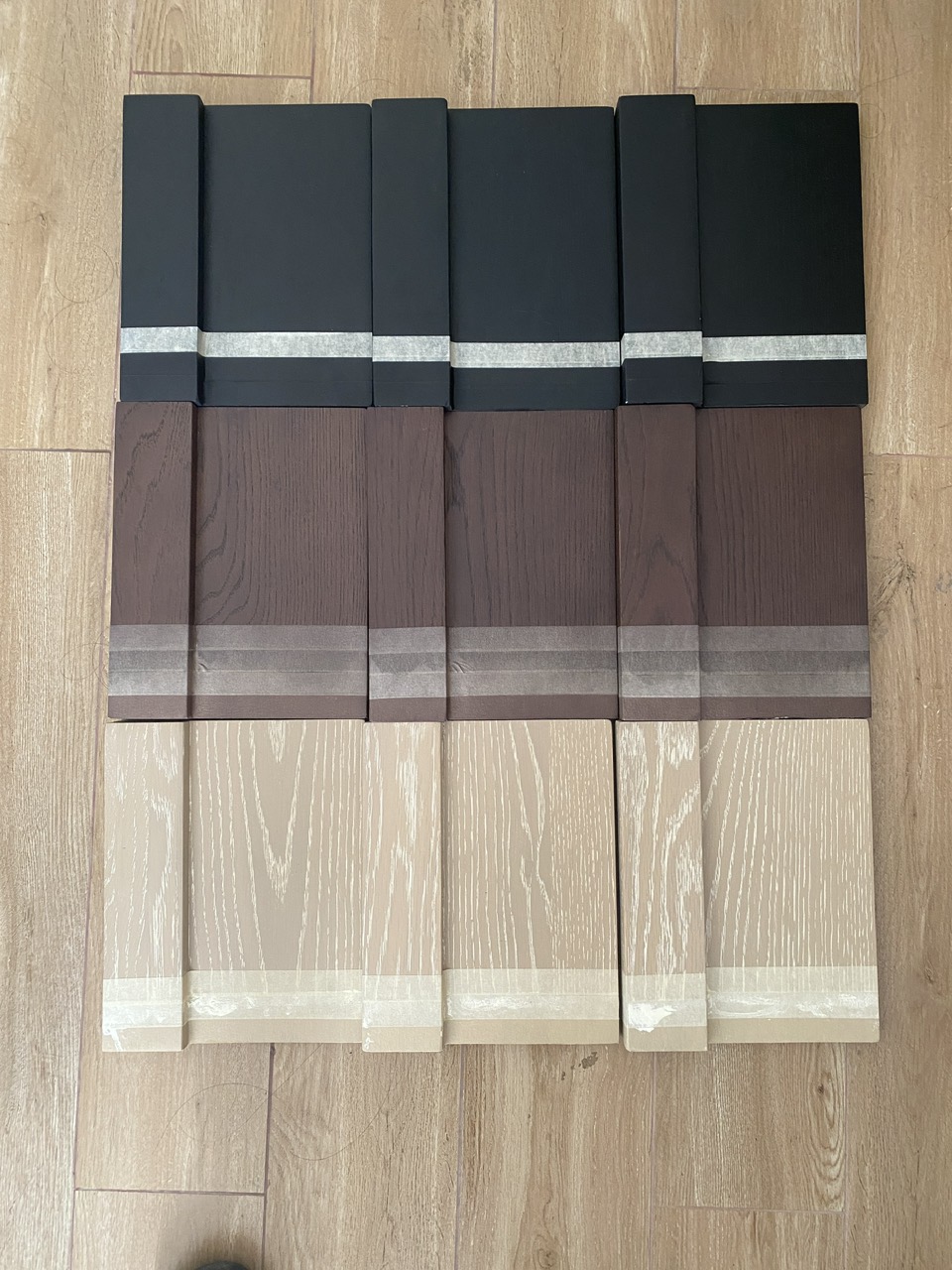
Depending on the product, importers may also need declarations, supplier documentation, manufacturing records, or certificates prepared from those test results.
Think of laboratory testing as answering one question:
“Does this product comply?”
Compliance documentation answers a different question:
“Can you prove it?”
That difference becomes important when customs authorities, retailers, project consultants, or your customs broker request supporting documents.
What We See in Real Projects
We’ve seen projects where the factory had every required document.
The importer simply didn’t know they existed.
We’ve also seen the opposite.
Everyone assumed the documents existed, only to discover they had never been prepared.
Neither situation is caused by bad suppliers.
They’re caused by assumptions.
Practical Advice
Before production starts, create a shared document checklist with your supplier.
Don’t assume someone else has already prepared everything.
A simple checklist reviewed before shipment is far less expensive than solving document requests after the goods are already moving.
A Compliance File Is Just as Important as a Product Sample
When buyers request a product sample, everyone knows what to prepare.
The sample is manufactured, inspected, packed, and shipped.
Documentation, however, is often treated differently. Many companies wait until someone asks for a specific report before trying to locate it.
That approach works most of the time… until it doesn’t.
A missing document may not stop production, but it can delay customs clearance, postpone project installation, or create unnecessary costs if the shipment cannot be released on time.
For larger commercial projects, documentation should be prepared with the same discipline as the product itself.
Think of it as creating a Compliance File for every project.
It doesn’t need to be complicated. It simply needs to be complete
A Typical Compliance File May Include:
- Product specification
- Material list
- Wood species declaration
- TSCA Title VI supporting documents (if composite wood is used)
- Surface coating test report (if applicable)
- Commercial Invoice
- Packing List
- Product photos
- Factory contact information
- Any additional customer-specific documents
Not every project requires every document on this list. However, having them organized before shipment makes responding to questions much faster.
What We See in Real Projects
One supplier stores test reports in the laboratory.
Another keeps them with the purchasing department.
The sales team has no idea where they are.
Nothing is actually missing.
It simply takes three days to find the right person.
For an importer waiting for customs clearance, those three days can feel much longer.
Practical Advice
Create one digital folder for each project.
Store every technical document there before production is completed.
Your future self will thank you.
Don’t Assume Samples Are Exempt from Documentation
One question we hear regularly is:
“It’s only a sample. Do we really need all these documents?”
The honest answer is:
Sometimes yes. Sometimes no.
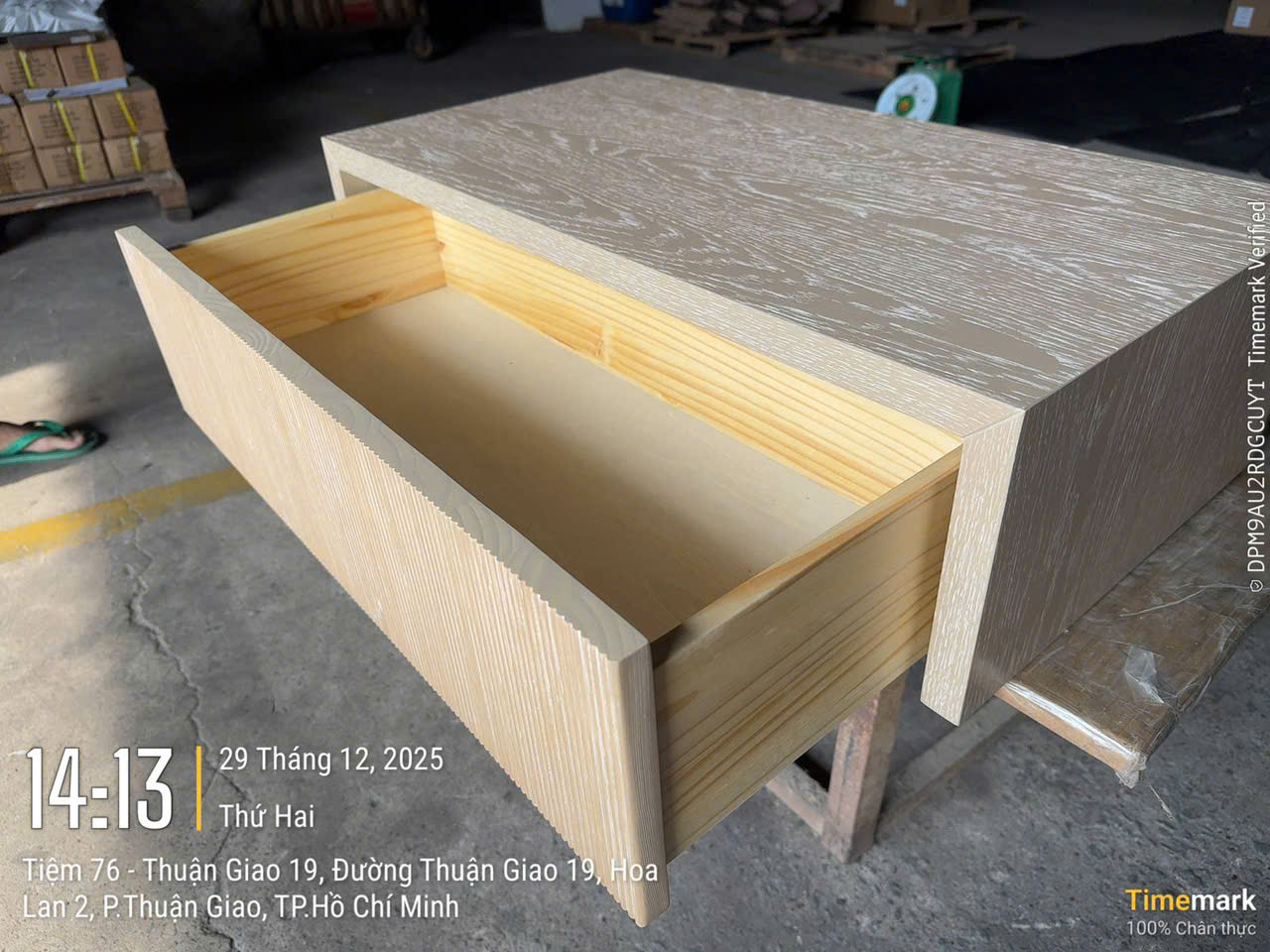
Sample shipments are often cleared without extensive documentation, especially when they are low in value and clearly identified as samples.
However, clearance procedures can vary depending on the courier, customs broker, product type, shipment value, and the information requested during import processing.
This means two identical samples shipped a few months apart may not go through exactly the same clearance process.
That’s why relying on previous experience alone isn’t always enough.
What We See in Real Projects
Many importers tell us:
“We’ve shipped samples like this before without any issues.”
That may be true.
But customs procedures and courier documentation requests can change over time.
The fact that a previous shipment cleared smoothly doesn’t guarantee the next one will follow the same process.
Before shipping samples, ask yourself three simple questions:
- Could any compliance documents reasonably be requested?
- If they are requested, do we already have them?
- If not, how long would it take to obtain them?
Answering these questions before the shipment leaves Vietnam is much easier than answering them after the shipment is already in transit.
Most Delays Are Communication Problems, Not Manufacturing Problems
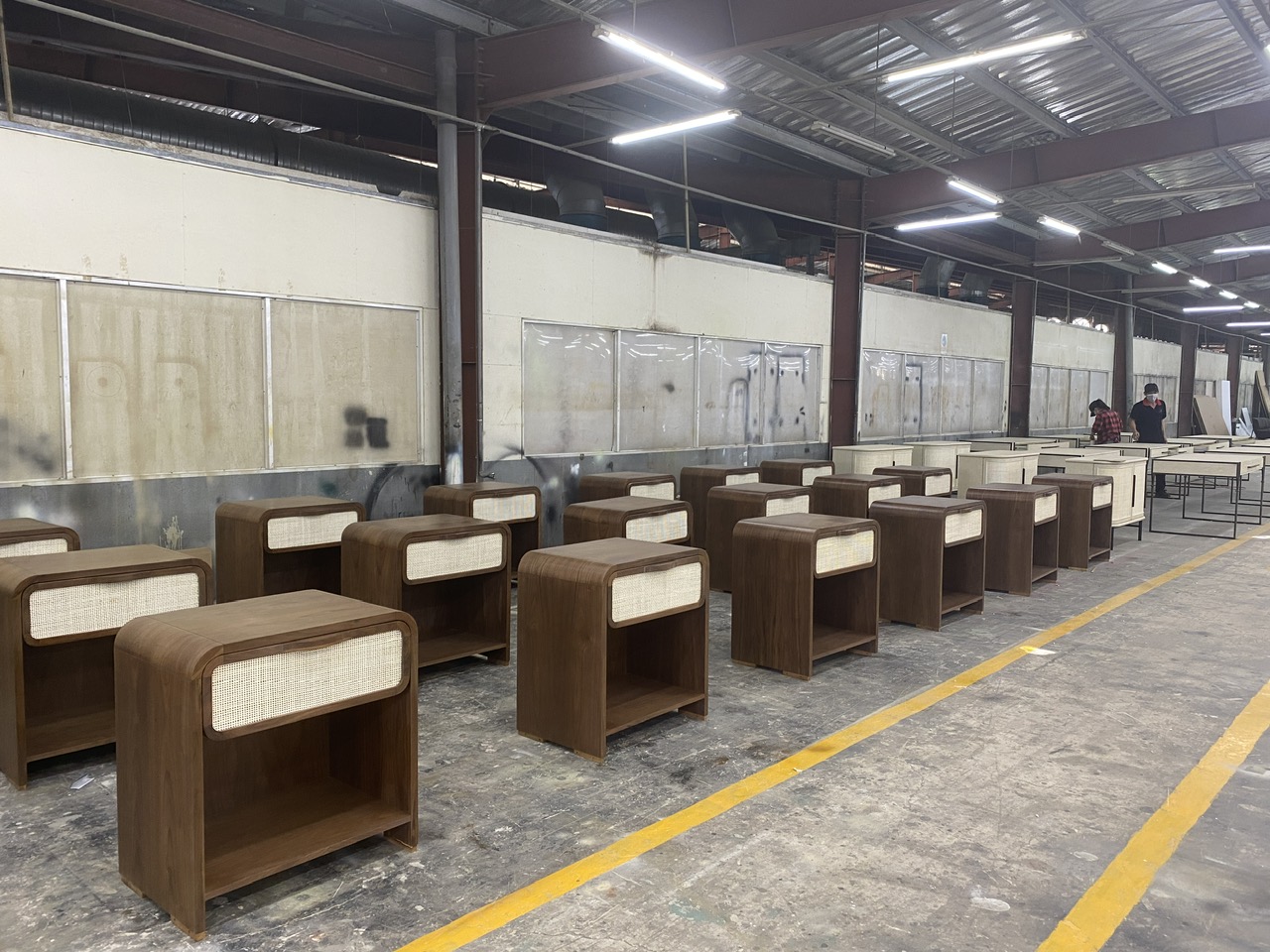
After supporting sourcing and export projects for many years, we’ve noticed something interesting.
Most customs delays aren’t caused by poor-quality furniture.
They aren’t caused by factories refusing to cooperate.
And they usually aren’t caused by complicated regulations.
More often than not, they happen because different people make different assumptions.
The buyer assumes the supplier already has the documents.
The supplier assumes the buyer doesn’t need them.
The freight forwarder assumes the customs broker has already requested everything.
The customs broker only discovers what’s missing once the shipment reaches customs.
Everyone is acting in good faith.
Yet the shipment is still delayed.
That’s why successful projects usually have one thing in common:
Someone takes responsibility for coordinating information before production begins.
Practical Advice
Before placing an order, schedule a short document review with your supplier.
You don’t need to discuss every regulation.
You simply need to agree on one question:
“If someone asks for this document later, do we already know where to find it?”
That single conversation can prevent many of the delays we see in international furniture projects.
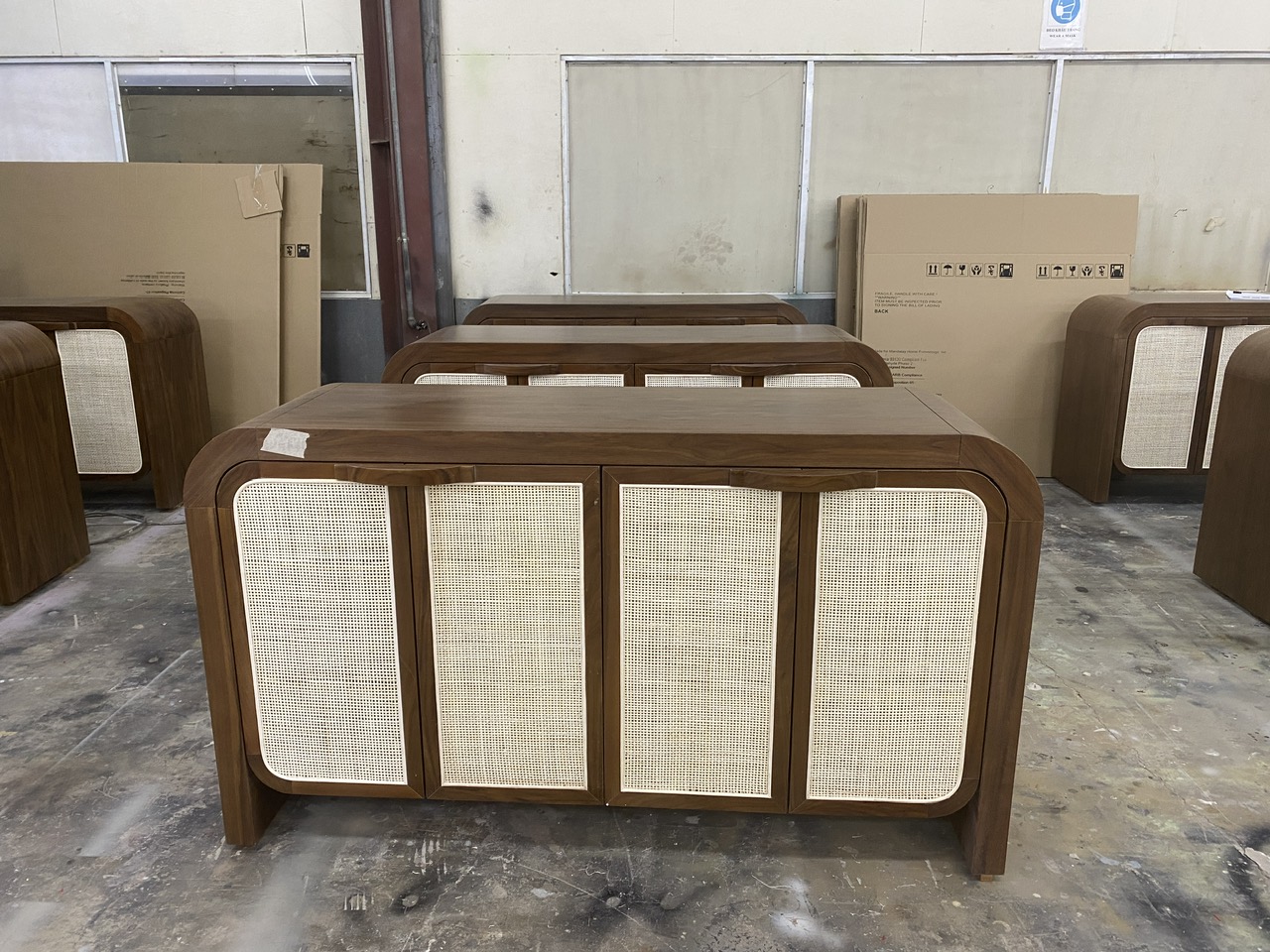
A Practical Compliance Checklist Before Shipping Wooden Furniture to the U.S.
Before confirming production, make sure you’ve completed the following:
Product Information
☐ Product specification approved
☐ Bill of materials confirmed
☐ Wood species identified
☐ Surface finish confirmed
☐ Composite wood materials identified
Compliance Documents
☐ TSCA supporting documents available (if applicable)
☐ Surface coating test report available (if applicable)
☐ Wood species declaration prepared
☐ Customer-specific compliance requirements confirmed
Shipping Documents
☐ Commercial Invoice
☐ Packing List
☐ Shipping marks reviewed
☐ Product photos archived
☐ Factory contact details confirmed
Before Booking the Shipment
☐ Ask your customs broker whether any additional supporting documents are recommended before export.
☐ Confirm whether your customer requires any project-specific documentation that goes beyond standard import requirements.
Import compliance isn’t about collecting as many certificates as possible.
It’s about preparing the right information before someone asks for it.
Most of the documents discussed in this guide are not difficult to obtain. The challenge is timing. A report that takes two days to arrange before production may take two weeks once the shipment is ready.
At VA Sourcing, we believe compliance should be part of the sourcing process, not something left until the goods are waiting at the port.
Our role goes beyond identifying manufacturers. We help clients coordinate with suppliers, review documentation, arrange testing when required, and reduce avoidable delays before products leave Vietnam.
The goal is simple: fewer surprises, smoother shipments, and greater confidence for everyone involved in the project.
Partner with VA Sourcing & Solutions
“From sourcing to shipping, we make Vietnam’s craftsmanship accessible to the world.”
Contact us to get introduced to verified furniture factories and start your sourcing journey.
VA Sourcing is a seasoned company specializing in sourcing high-quality building materials from Vietnam. With extensive experience in the industry, VA Sourcing connects clients with reputable and experienced suppliers, ensuring that all products meet the highest standards.
The company offers comprehensive services, including order management, quality inspection, and shipping, ensuring a seamless and efficient supply chain.
VA Sourcing’s expertise guarantees that customers receive the best materials for their projects, delivered on time and within budget.
Contact Us
Share your project details with us
Vietnam’s diverse product landscape offers great business opportunities with competitive pricing and quality. Our support ensures reliable supplier connections and competitive quotes. Seize the potential to elevate your business in Vietnam’s manufacturing landscape.
Don’t miss out on the advantages of sourcing from Vietnam. Contact us now to explore these product categories and boost your business’s success!
Our team will promptly respond and provide the assistance you need for optimal results.


Learn More about Product Sourcing from Vietnam
Curious about Vietnam as a viable product sourcing country, to build your company around?
Say no more, here are more links to explore;
- Product Sourcing from Vietnam
- Factory Visits in Vietnam
- Quality Control Service from Vietnam
- Product Packaging from Vietnam
- Shipping & Logistics from-to Vietnam
Don’t hesitate to contact us if you have any questions concerning your product sourcing needs for Vietnam
Discover Vietnamese Products for Your Business
We connect you with Vietnamese suppliers who are eager to expand their reach and cater to customers overseas.
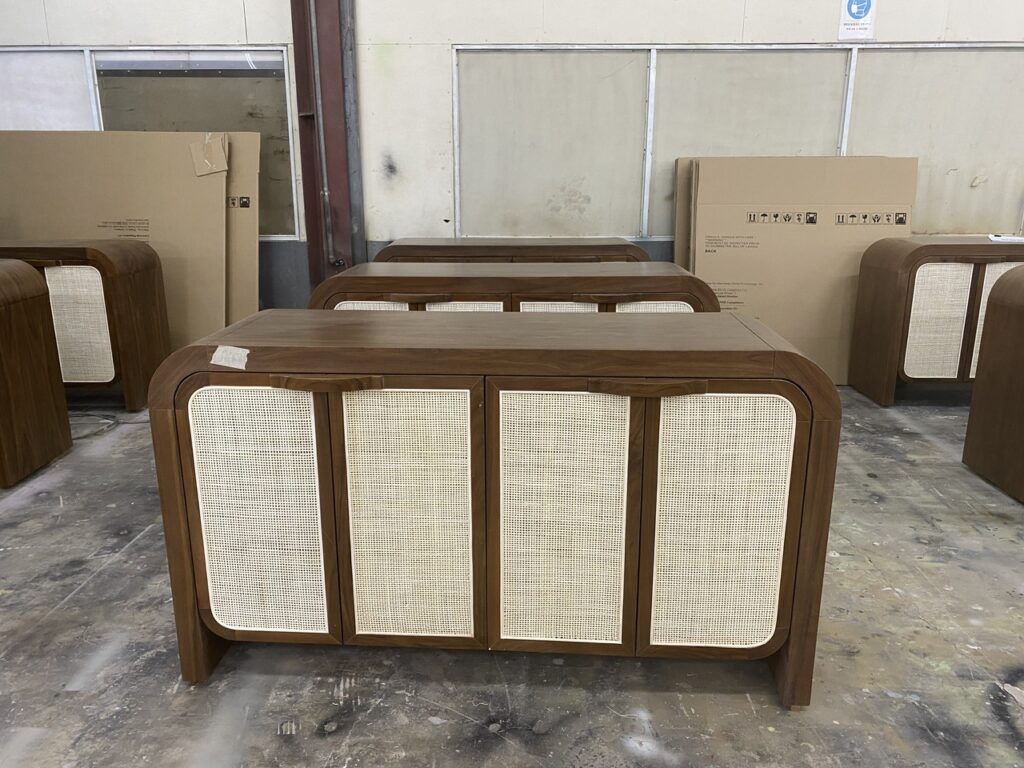
What Experience Teaches You About Finding the Right Interior Furniture Factory in Vietnam
Learn how to find the right interior furniture factory in Vietnam by looking beyond catalogues and understanding manufacturing experience, capability, and flexibility. This guide is made available to you by:…
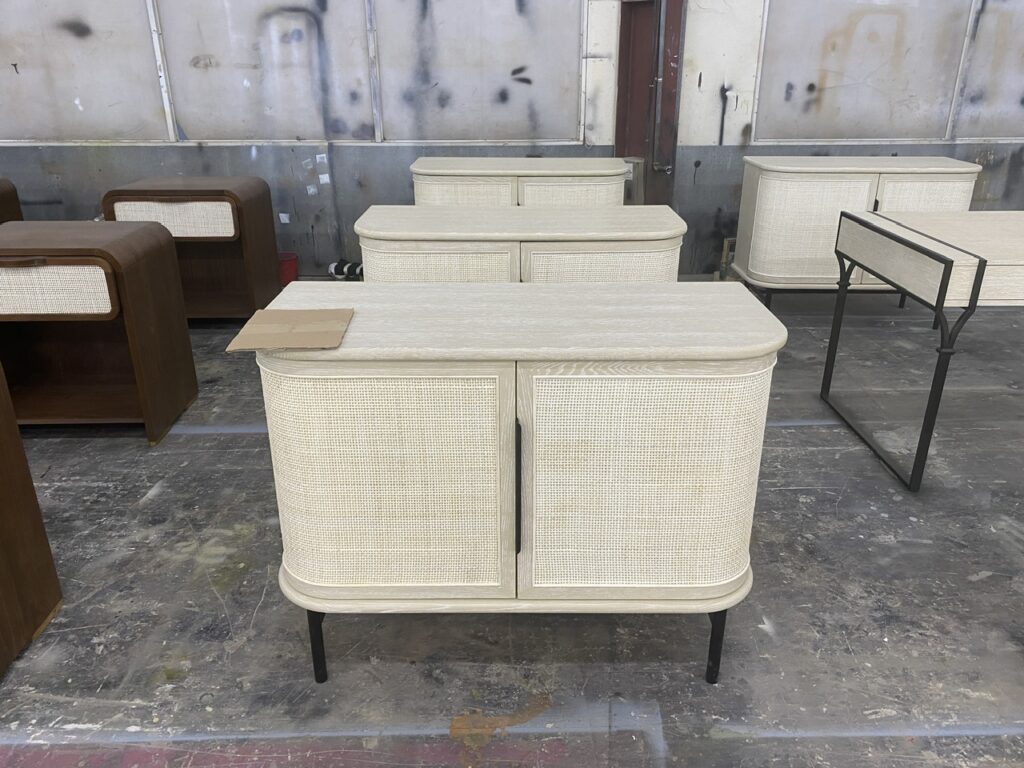
Importing Wooden Furniture to the U.S.: A Practical Compliance Checklist for Importers (2026 Update)
Importing wooden furniture from Vietnam? Learn the essential U.S. compliance requirements, documents, and practical tips to avoid customs delays and keep your projects on schedule. This guide is made available…

How a Sourcing Agent in Vietnam Helps You Manage Your Buying Process
Learn how a sourcing agent in Vietnam simplifies supplier selection, quality control, production tracking, and logistics to reduce risk and improve sourcing efficiency for international buyers. This guide is made…
Have a Business Idea in Mind?
Book a discovery session and see how Vietnamese suppliers can contribute to your business success!